Why Is a Workwear Manufacturer in Bangladesh a Reliable Choice for Professional and Industrial Clothing?
Posted in CategoryIntroduction to Darasa Forum-
HHaris 1 week ago
The demand for durable, comfortable, and professionally designed work clothing continues to grow across industries worldwide. Businesses in construction, manufacturing, logistics, hospitality, healthcare, transportation, agriculture, and other sectors need garments that can withstand demanding working environments while providing employees with comfort and a professional appearance. For companies searching for a workwear manufacturer Bangladesh, the country has become an attractive sourcing destination because of its established garment industry, skilled workforce, extensive textile supply chain, and experience serving international apparel markets.
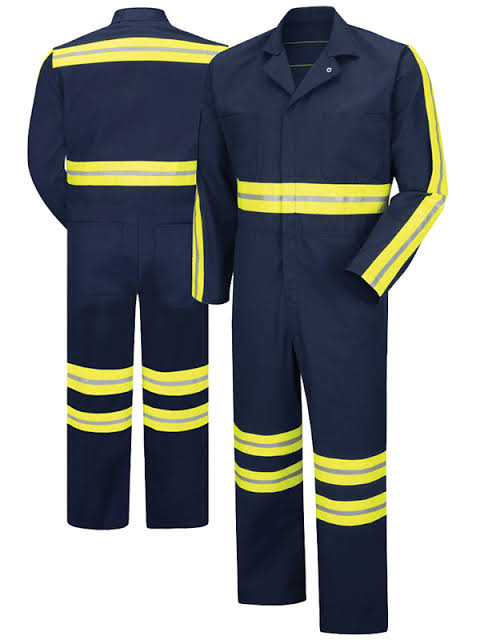
Workwear is different from ordinary fashion clothing because it must combine durability, functionality, comfort, and practical design. Depending on the industry, professional uniforms may need to withstand frequent washing, physical movement, outdoor conditions, abrasion, dust, or demanding workplace environments. A reliable workwear manufacturer in Bangladesh can develop garments according to specific industry requirements, including custom fabrics, colors, measurements, branding, pockets, reflective elements, closures, and other functional features.
Bangladesh has a strong reputation in global garment manufacturing, producing a broad range of knitwear and woven apparel. Its manufacturing capabilities have expanded beyond conventional fashion garments into industrial uniforms, corporate workwear, safety clothing, hospitality uniforms, medical garments, warehouse clothing, construction apparel, and other specialized products.
Workwear Manufacturing in Bangladesh
An experienced workwear manufacturer Bangladesh can provide businesses with customized apparel designed for particular occupations and working conditions. The production process can involve fabric sourcing, garment design, pattern development, cutting, sewing, finishing, printing, embroidery, inspection, packaging, and shipment preparation.
Workwear commonly requires fabrics that offer durability and comfort. Cotton, polyester, cotton-polyester blends, twill, canvas, denim, and specialized performance fabrics can be selected depending on the intended application. The choice of material affects garment weight, breathability, durability, appearance, maintenance requirements, and overall performance.
For industrial environments, durability is often a primary consideration. Employees may regularly move, bend, lift, operate equipment, or work around materials that can cause wear. Strong stitching, reinforced seams, durable closures, and practical garment construction can help workwear remain functional through regular use.
Comfort is equally important because employees may wear uniforms for extended periods. A garment that is too heavy, restrictive, or poorly fitted can affect workplace comfort and productivity. Professional manufacturers can therefore consider sizing, garment fit, fabric breathability, movement, and construction when developing custom uniforms.
Different industries also have different requirements. Construction companies may require durable shirts, trousers, jackets, or reflective workwear. Hospitality businesses may prefer polished uniforms for restaurant and hotel employees. Warehouses and logistics companies may need practical clothing with functional pockets and durable fabrics. Corporate organizations may require branded uniforms that combine professional appearance with everyday comfort.
A capable Bangladesh workwear manufacturer can adapt production according to these different requirements, allowing businesses to develop garments that are suited to their workforce and brand identity.
Custom Workwear and Uniform Production
Customization is one of the most important aspects of modern workwear manufacturing. Businesses often want uniforms that represent their corporate identity rather than generic garments. A workwear manufacturer in Bangladesh can create clothing with customized colors, logos, labels, embroidery, printing, trims, and packaging.
Corporate branding can be incorporated in several ways. Company logos can be embroidered on shirts, jackets, and uniforms, while printed graphics can be used for larger designs. Custom woven labels, name tags, care labels, and branded packaging can further reinforce a company's identity.
Custom sizing is another important consideration. Organizations with large workforces may need garments in a wide range of sizes to accommodate different employees. A manufacturer can work with approved measurement specifications to maintain greater consistency across production runs.
Functional design can also be integrated into workwear. Pockets, adjustable cuffs, reinforced areas, durable buttons, zippers, elastic sections, reflective strips, and other features can be incorporated depending on the requirements of the workplace.
Safety clothing represents another specialized category. Some industries require garments with high-visibility features or other protective characteristics. In such cases, businesses should communicate the intended workplace environment and applicable requirements clearly to the manufacturer. Where garments are intended to meet specific safety standards or certifications, buyers should verify the manufacturer's relevant capabilities and documentation rather than assuming that ordinary workwear provides equivalent protection.
Sampling is an essential stage of custom uniform manufacturing. Before bulk production begins, businesses can review samples to evaluate the fabric, fit, measurements, colors, logo placement, stitching, pockets, closures, and overall appearance. Adjustments can then be made before final production approval.
For international businesses, detailed technical specifications can make the process more efficient. A tech pack or product specification can communicate fabric composition, garment measurements, artwork, construction details, color references, branding requirements, and packaging instructions. Clear information helps reduce misunderstandings during production.
Quality and Sustainable Workwear Production
Quality control is especially important when manufacturing professional uniforms because workwear is typically used repeatedly and washed frequently. A garment that looks good initially but deteriorates quickly may create additional replacement costs for the business.
A reliable workwear manufacturer Bangladesh should pay attention to fabric quality, stitching, measurements, seams, buttons, zippers, embroidery, printing, and finishing. Quality inspections during production can help identify defects before large quantities are completed.
Durability testing and product evaluation can also be relevant depending on the garment's intended use. Businesses may want to assess shrinkage, colorfastness, fabric strength, seam performance, and washing behavior. The appropriate checks depend on the type of workwear and the conditions in which employees will use it.
Consistency is another important consideration for corporate uniform programs. When a company orders workwear repeatedly, garments should maintain similar colors, sizing, branding, and construction across different production runs. Consistent specifications and approved reference samples can help manufacturers reproduce products more accurately.
Sustainability has also become increasingly important in the global textile industry. Companies are paying greater attention to responsible sourcing, material selection, factory practices, energy consumption, water usage, and waste management. Some manufacturers in Bangladesh have invested in modern production facilities and sustainability-focused systems.
Businesses interested in environmentally responsible uniforms can discuss material options such as recycled fibers or responsibly sourced fabrics with their manufacturing partners. However, material selection should always balance sustainability with durability, comfort, workplace requirements, and garment performance.
Efficient production can also help reduce unnecessary material waste. Accurate pattern planning, responsible fabric management, appropriate packaging, and improved production processes can contribute to a more efficient workwear supply chain.
Choosing a Workwear Manufacturer Bangladesh
Selecting the right manufacturing partner requires more than comparing production prices. Workwear is a specialized apparel category, and businesses should consider whether a manufacturer has experience producing the specific type of clothing they require.
Production capability is an important factor. A manufacturer experienced in basic shirts may not necessarily have the machinery, expertise, or production systems required for heavy-duty industrial uniforms, technical workwear, or specialized safety garments. Reviewing previous manufacturing experience can help buyers identify suitable suppliers.
Order volume should also be considered. Large corporations may require thousands of uniforms for employees across multiple locations, while smaller businesses may need more limited quantities. Finding a manufacturer whose production capacity and minimum order requirements match the business can make sourcing more practical.
Communication is particularly important for international buyers. Workwear orders can involve detailed specifications regarding fabrics, sizing, branding, functional features, packaging, and delivery schedules. Clear communication and documented requirements can help prevent production errors.
Delivery reliability is another important consideration. Businesses may need uniforms before a new employee program, corporate launch, seasonal operation, or major contract begins. Delays can create operational difficulties, so production timelines should be discussed clearly before placing an order.
Price should be evaluated together with quality, durability, service, and reliability. A low unit price may not represent good value if garments require frequent replacement or fail to meet the company's specifications. A dependable workwear manufacturer in Bangladesh should provide a balanced combination of quality and cost efficiency.
Long-term partnerships can also be valuable. When a manufacturer becomes familiar with a company's branding, sizing, preferred fabrics, construction requirements, and quality standards, repeat orders can become easier to manage. This can be particularly useful for organizations that regularly replace or expand employee uniforms.
Conclusion
Bangladesh has established itself as a major global apparel manufacturing destination, and its capabilities make it an attractive option for companies seeking professional and industrial workwear. A reliable workwear manufacturer Bangladesh can produce customized uniforms for construction, manufacturing, hospitality, logistics, healthcare, corporate, warehouse, and other professional environments.
From fabric selection and garment construction to branding, embroidery, printing, sampling, quality control, and packaging, manufacturers can support different stages of custom workwear production. Businesses can develop garments that reflect their corporate identity while meeting the practical requirements of their employees and workplaces.