USB-C Power Bank: Is It the Perfect Portable Charging Solution for Your Everyday Devices?
Posted in CategoryIntroduction to Darasa Forum-
HHaris 4 days ago
A USB-C power bank is a useful accessory for anyone who depends on electronic devices throughout the day. Smartphones, tablets, wireless earbuds, and other portable gadgets have become essential for communication, work, education, and entertainment. However, their batteries can run low at inconvenient times, particularly when traveling, attending classes, or spending long hours away from electrical outlets. A reliable portable power bank provides a convenient way to recharge compatible devices and maintain access to essential technology.
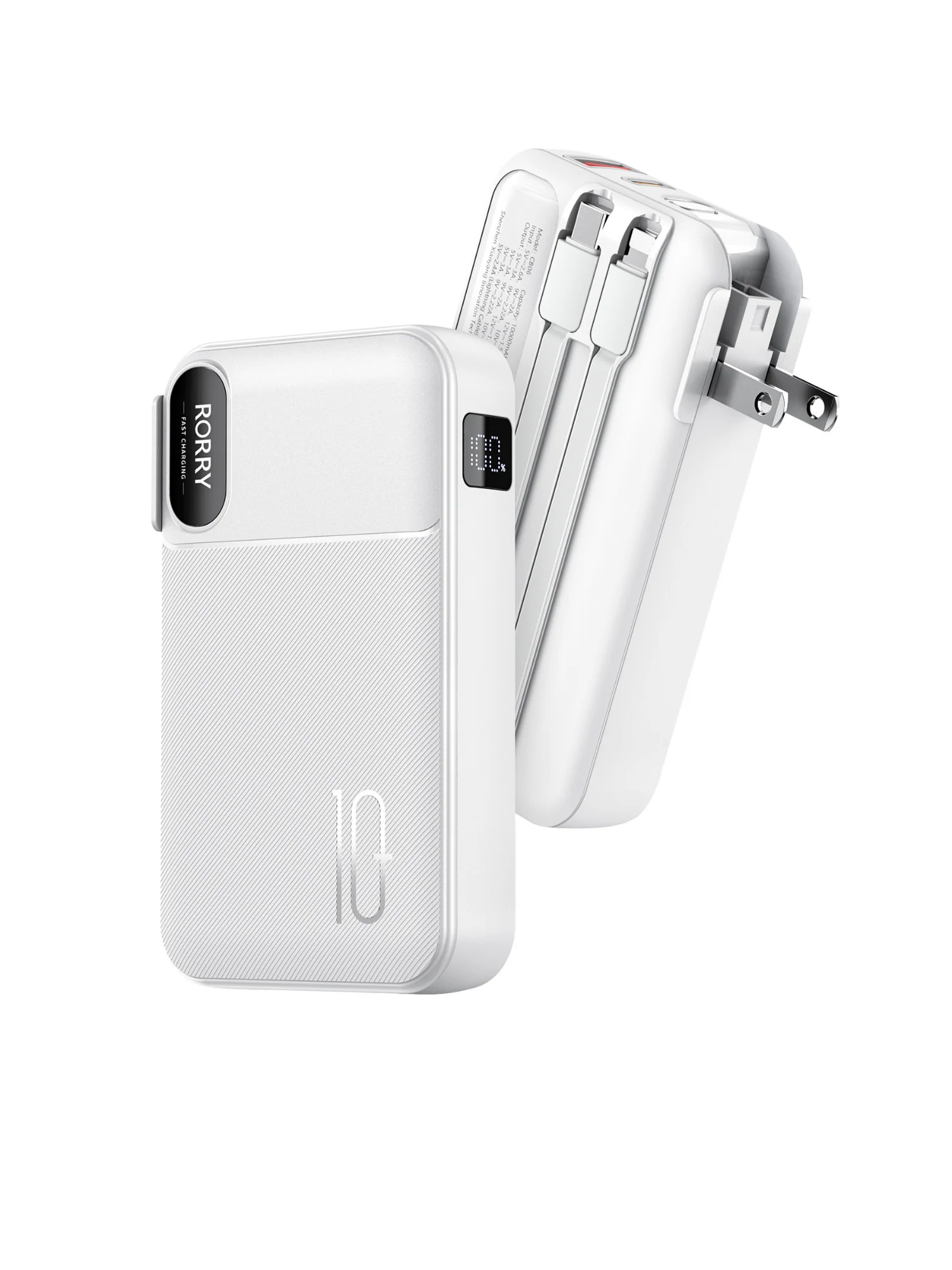
Modern USB-C portable chargers offer a combination of versatility, portability, and charging performance. Many models support fast charging, feature multiple output ports, and provide different battery capacities to accommodate different lifestyles. Some compact power banks are designed primarily for smartphones, while larger models can also charge compatible tablets and laptops. These features make USB-C charging solutions practical for people who want dependable power without carrying several separate chargers.
Choosing the right USB-C power bank requires more than comparing prices or selecting the model with the highest advertised capacity. Charging speed, battery efficiency, cable compatibility, safety features, and overall design all influence performance. Understanding these factors helps consumers choose a portable charger that suits their devices and daily requirements.
USB-C Power Bank Features and Modern Charging Advantages
A USB-C power bank stores electrical energy in an internal rechargeable battery and delivers that energy to compatible devices when needed. Unlike a traditional wall charger, it can supply power without remaining connected to an electrical outlet. This makes it particularly useful for commuters, students, business professionals, and travelers who regularly spend time away from home.
One of the main advantages of USB-C technology is its reversible connector. Users can plug in a USB-C cable without checking which side faces upward, making charging more convenient. Depending on the connected equipment, USB-C can support charging and data transfer, while some implementations support additional functions. Its broad adoption across modern electronics also reduces the need to carry different charging cables for every device.
Many USB-C power banks support USB Power Delivery, commonly known as USB PD. This charging standard allows compatible devices and chargers to negotiate suitable power levels. When both devices support the appropriate charging specifications, USB PD can provide fast charging for smartphones, tablets, and certain laptops.
Charging performance depends on several factors, including the power bank's maximum output, the connected device's charging capabilities, and the cable being used. For example, a 30W USB-C power bank may charge a compatible smartphone quickly, but a device that supports only a lower input power will not automatically benefit from the charger's full output. Checking compatibility before purchasing helps ensure an appropriate charging experience.
Battery capacity is another important feature when comparing portable power banks. Capacity is commonly advertised in milliampere-hours, or mAh. A 5,000mAh model may be suitable for emergency charging, while a 10,000mAh USB-C power bank offers a useful balance between capacity and portability. A 20,000mAh model can provide additional energy for extended trips, multiple devices, and long working days.
However, advertised capacity does not directly equal the amount of energy delivered to a connected device. Voltage conversion, heat, and other power losses reduce usable energy. The number of charges a power bank provides therefore depends on its efficiency and the battery size of the connected smartphone or tablet.
Some USB-C portable chargers include multiple output ports, allowing users to charge several compatible devices simultaneously. This can be helpful for people who carry a smartphone, wireless earbuds, and a tablet. Certain higher-powered models can also charge compatible laptops, provided they offer sufficient wattage and support the laptop's charging requirements. When several devices are connected, the available power may be distributed between ports.
Choosing the Best USB-C Power Bank for Your Devices
Selecting the best USB-C power bank starts with understanding your everyday charging needs. People who mainly use smartphones for messaging, browsing, and calls may prefer a compact portable charger that fits easily into a pocket or bag. Users who regularly carry tablets, gaming devices, or compatible laptops may benefit from a larger battery with higher power output.
For everyday smartphone use, a 10,000mAh portable power bank is often a practical option. It provides additional battery capacity while remaining relatively easy to carry. A 20,000mAh USB-C charger may be more suitable for frequent travelers, professionals with demanding schedules, and users who need multiple charging sessions between access to electrical outlets.
Charging wattage deserves particular attention when comparing different products. A power bank rated at 20W may be suitable for many smartphones, while certain tablets and laptops require 45W, 65W, or higher output. However, a higher wattage rating does not guarantee faster charging for every device. The connected electronics must support the relevant charging standard and power level.
For example, a user who carries a compatible laptop and smartphone may benefit from a 65W USB-C power bank that supports USB Power Delivery. This type of portable charger can offer a versatile charging solution for both devices. Nevertheless, laptop charging performance depends on the laptop's power requirements, the power bank's available capacity, and whether the power bank can maintain the required output.
Cable quality is equally important. A USB-C cable must support the power level required by the connected devices. Some high-power charging configurations require cables specifically rated for higher wattages, and certain USB PD arrangements require electronically marked cables. Using a compatible cable helps the power bank deliver power reliably.
Safety features should also influence purchasing decisions. Reputable power banks may include protection against overheating, overcurrent, overcharging, and short circuits. These features help reduce the risk of electrical problems during normal operation. Consumers should review product specifications, applicable safety certifications, manufacturer reputation, and warranty coverage before choosing a model.
Build quality and design can affect everyday convenience. Some portable chargers include digital displays that show the remaining battery percentage, while others use indicator lights. Models with built-in cables can reduce the number of accessories users need to carry, and multiple output ports can make it easier to charge several devices. Buyers should focus on features that support their actual needs rather than paying extra for unnecessary functions.
Price should be evaluated alongside reliability and performance. An inexpensive power bank may be sufficient for occasional charging, but a well-made product from a reputable manufacturer may offer better durability, safety features, and compatibility. Comparing battery capacity, output wattage, physical size, and warranty information helps consumers make an informed decision.
USB-C Power Bank Uses for Travel, Work, and Daily Activities
A USB-C power bank can be useful in many situations where access to electrical outlets is limited. Students can use a portable charger to keep their smartphones powered during classes, study sessions, and long commutes. Since smartphones are often used for educational applications, online research, digital notes, and communication, additional battery power can make a busy academic day more convenient.
Professionals can also benefit from portable charging solutions. People who work remotely, attend meetings, visit clients, or travel between offices often depend on smartphones and tablets for email, video calls, navigation, and scheduling. A dependable power bank provides additional flexibility when devices need charging during a long workday.
Travelers may find a high-capacity USB-C power bank particularly useful during road trips, train journeys, airport visits, and sightseeing activities. Smartphones frequently serve as navigation tools, digital ticket holders, cameras, and communication devices. Carrying a charged power bank can help maintain access to these functions without constantly searching for an available outlet.
Air travelers should check current airline regulations before carrying a power bank. Restrictions commonly depend on battery watt-hour capacity, and power banks are generally required to be carried in cabin baggage rather than checked baggage, subject to applicable airline and aviation rules. Reviewing the requirements before departure helps travelers prepare appropriately.
Outdoor enthusiasts may also benefit from portable charging during camping, hiking, and other activities away from electrical outlets. A higher-capacity battery can provide additional energy for compatible smartphones and small electronics. However, larger power banks add weight, so users should balance available capacity with portability.
USB-C power banks can also support compatible entertainment devices, including wireless headphones, tablets, and handheld gaming systems. Before relying on a portable charger for these devices, consumers should confirm that it provides sufficient output and supports their charging requirements.
Proper maintenance can help preserve a power bank's performance. Users should follow the manufacturer's instructions, avoid excessive heat and moisture, and use suitable charging accessories. A battery that becomes swollen, leaks, or shows signs of physical damage should no longer be used and should be handled according to the manufacturer's safety guidance.
Conclusion
A USB-C power bank is a practical charging accessory for anyone who wants dependable portable power for smartphones, tablets, and other compatible electronics. Its versatile connectivity, support for fast charging, different battery capacities, and convenient design make it suitable for everyday activities, professional use, travel, and outdoor adventures.
When choosing a USB-C portable charger, consider battery capacity, charging wattage, device compatibility, cable requirements, safety features, and portability. A 10,000mAh model may be sufficient for everyday smartphone users, while a 20,000mAh or higher-capacity option may offer greater flexibility for extended trips and multiple devices. Users who need to charge compatible laptops should pay particular attention to USB Power Delivery support and the required output wattage.