Looking for the Best Sheet Metal Rivet Guide to Create Strong, Durable, and Professional Metal Joints?
Posted in CategoryIntroduction to Darasa Forum-
HHaris 1 month ago
Working with sheet metal requires fastening solutions that provide strength, precision, and long-term reliability. A comprehensive sheet metal rivet guide helps manufacturers, engineers, fabricators, and DIY professionals select the right rivets for different applications while ensuring secure and permanent joints. Rivets have become one of the most trusted fastening methods in industries such as automotive manufacturing, aerospace, HVAC, construction, electronics, and industrial fabrication because they offer exceptional durability without loosening over time.
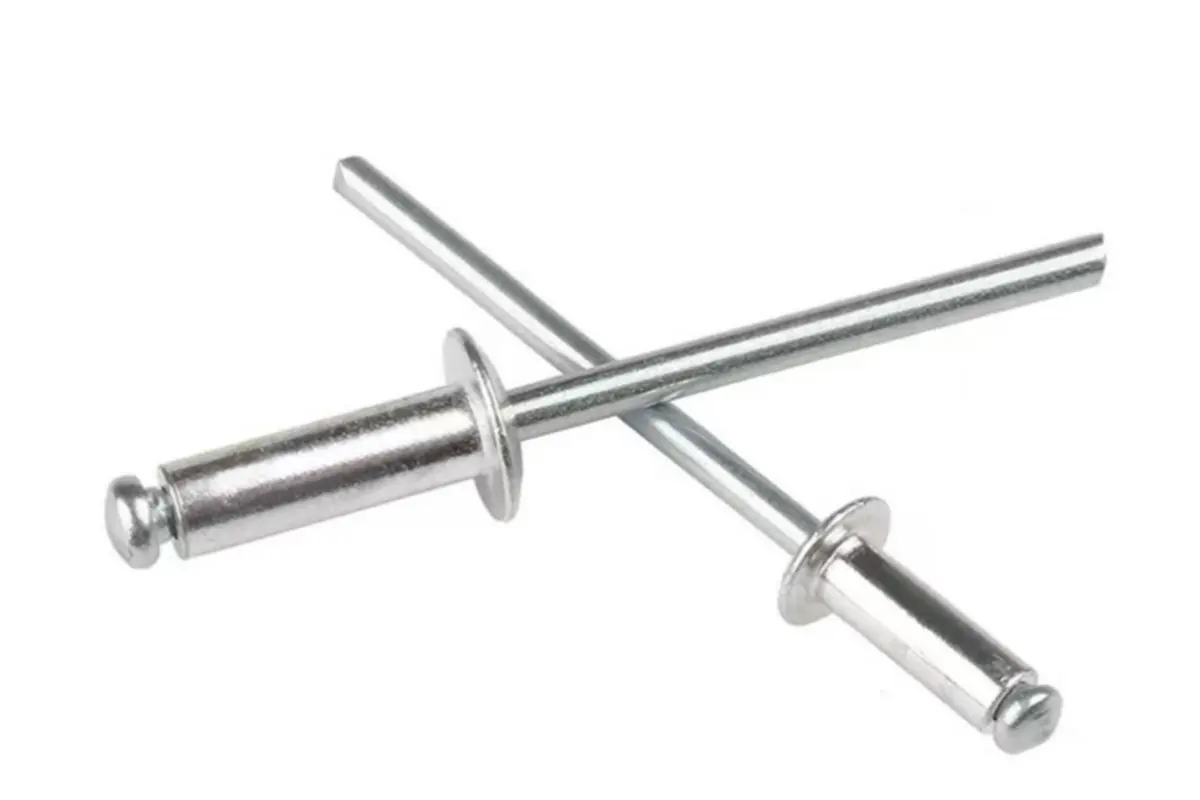
Unlike removable fasteners, rivets create a permanent mechanical connection capable of resisting vibration, repeated movement, and heavy mechanical loads. Whether assembling aluminum panels, stainless steel sheets, galvanized steel components, or lightweight metal enclosures, choosing the correct rivet significantly improves structural performance and product lifespan. A well-planned sheet metal fastening process also reduces maintenance costs while increasing production efficiency.
Today, manufacturers can choose from several rivet styles, including blind rivets, solid rivets, structural rivets, multi-grip rivets, and semi-tubular rivets. Every type is designed to meet specific engineering requirements depending on material thickness, load conditions, environmental exposure, and installation methods. Understanding these factors allows professionals to build stronger and more reliable metal assemblies.
Choosing the Right Rivets for Sheet Metal Projects
A successful sheet metal rivet guide always begins with selecting the correct rivet material and size. Material compatibility is one of the most important factors because mismatched metals may cause galvanic corrosion, reducing the strength and lifespan of the joint. Aluminum rivets are frequently selected for lightweight sheet metal fabrication because they provide excellent corrosion resistance while minimizing overall product weight. These rivets are commonly used in transportation equipment, ventilation systems, electronic enclosures, and architectural panels.
Steel rivets offer greater mechanical strength and are ideal for heavy-duty sheet metal assemblies exposed to higher structural loads. Construction equipment, industrial machinery, structural frameworks, and commercial vehicles often rely on steel rivets for dependable fastening performance. Stainless steel rivets provide superior corrosion resistance, making them an excellent choice for marine equipment, food processing facilities, outdoor structures, and environments exposed to moisture or chemicals.
Selecting the proper rivet diameter and grip range is equally important. A rivet that is too short may fail to secure the materials properly, while an oversized rivet can deform thin metal sheets during installation. Engineers carefully determine rivet dimensions based on sheet thickness, joint configuration, and expected mechanical loads to achieve maximum tensile strength and shear resistance.
Installation equipment also affects fastening quality. Manual rivet guns are suitable for repairs and smaller fabrication jobs, while pneumatic and hydraulic riveters improve speed and consistency in industrial production. Automated riveting systems further enhance manufacturing efficiency by installing thousands of rivets with precise alignment and consistent force, ensuring reliable fastening across every assembly.
Improving Strength and Reliability in Metal Assemblies
An effective sheet metal rivet guide also focuses on matching the appropriate rivet type to the intended application. Blind rivets remain one of the most widely used fastening solutions because they can be installed from only one side of the workpiece. This makes them especially valuable for enclosed structures, ductwork, vehicle panels, and metal cabinets where rear access is unavailable.
Solid rivets continue to be the preferred fastening solution in aerospace manufacturing because they provide exceptional fatigue resistance and structural strength. Aircraft structures, railway components, and high-performance engineering projects rely on solid rivets to maintain reliable mechanical connections under continuous stress. Structural rivets are designed for heavy-load applications where superior holding power and vibration resistance are essential, making them ideal for industrial equipment, transportation systems, and large construction projects.
Environmental conditions should always influence rivet selection. Outdoor sheet metal installations require corrosion-resistant rivets capable of handling rain, humidity, ultraviolet exposure, and changing temperatures. Stainless steel and coated rivets provide excellent protection against rust while maintaining their mechanical properties over many years of service. High-temperature industrial environments also require rivets that retain their strength despite continuous exposure to heat.
Proper joint design contributes significantly to fastening performance. Well-positioned rivets distribute mechanical loads evenly across connected materials, reducing stress concentrations that could lead to cracking or deformation. Accurate hole preparation and proper installation techniques further improve joint quality while preventing unnecessary damage to surrounding sheet metal.
Enhancing Manufacturing Quality Through Proper Riveting
Following a professional sheet metal rivet guide allows manufacturers to improve both product quality and production efficiency. Correct rivet selection reduces installation errors, minimizes material waste, and creates permanent joints capable of performing reliably throughout the product's service life. This reliability makes riveting one of the most economical and dependable fastening methods available for modern metal fabrication.
Technological advancements have introduced stronger rivet materials, corrosion-resistant coatings, and precision-engineered fastening systems that support increasingly demanding engineering applications. Lightweight structural rivets help manufacturers reduce product weight without sacrificing mechanical strength, an important advantage in automotive, aerospace, and transportation industries where efficiency and performance are closely connected.
Permanent mechanical fastening also contributes to long-term cost savings. Properly installed rivets require very little maintenance because they resist loosening caused by vibration, thermal expansion, and repeated loading. This makes them an excellent solution for products expected to operate continuously in challenging industrial environments.
As manufacturing standards continue to evolve, engineers increasingly evaluate fatigue resistance, installation speed, structural performance, corrosion protection, and lifecycle costs when selecting fastening systems. A carefully planned riveting process ensures that every sheet metal assembly meets strict quality standards while delivering dependable long-term performance.
Conclusion
A reliable sheet metal rivet guide is essential for producing strong, durable, and high-quality metal assemblies across a wide range of industries. Selecting the appropriate rivet requires careful consideration of material compatibility, rivet type, grip range, installation method, environmental conditions, and structural requirements. When these factors are properly evaluated, rivets create permanent mechanical joints that deliver exceptional strength, vibration resistance, corrosion protection, and long service life. Whether used in aerospace, automotive manufacturing, HVAC systems, construction, or industrial fabrication, the right riveting solution ensures dependable performance while supporting efficient and cost-effective production for years to come.