Is a 6000W E-Bike the Ultimate Option for Powerful Electric Riding and Everyday Adventure?
Posted in CategoryIntroduction to Darasa Forum-
HHaris 4 days ago
A 6000W e bike is an exciting option for riders who want impressive electric power, responsive acceleration, and the freedom to explore different riding environments. As electric mobility continues to evolve, high-powered electric bikes are attracting attention from adventure enthusiasts, experienced riders, and people looking for alternatives to traditional petrol-powered vehicles. With a powerful motor, rechargeable battery, and modern components, a 6000-watt electric bike can deliver an engaging riding experience when matched to the rider's needs.
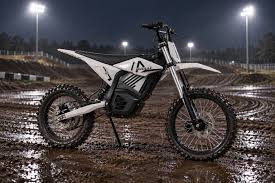
Unlike standard electric bicycles designed mainly for casual cycling, a high-power electric bike may offer substantially greater acceleration and climbing capability. Depending on its design, it may be suitable for off-road adventures, private-property riding, or specialized recreational use. However, motor power is only one part of the overall package. Battery capacity, suspension quality, braking performance, frame construction, and tire design all contribute to the bike's capabilities.
Understanding these features can help buyers compare different high-performance electric bikes and make a more informed purchasing decision. Whether you are interested in an electric mountain bike, a powerful commuter-style model, or an off-road electric motorcycle, examining the specifications and intended use is essential before choosing a 6000W e bike.
6000W E-Bike Performance and Advanced Motor Technology
The main attraction of a 6000w e bike is its high motor power. A 6,000-watt rating represents substantial electrical power for a two-wheeled vehicle, although manufacturers may advertise either peak output or continuous output. Peak power refers to the maximum power available under specified conditions, while continuous power describes the output a motor can sustain within its operating limits.
This distinction is important because two electric bikes with the same advertised wattage may deliver different riding experiences. Battery voltage, controller programming, motor design, gearing, vehicle weight, and thermal management can all affect acceleration and sustained performance. Buyers should review the complete technical specifications instead of relying exclusively on the advertised power rating.
Electric motors can provide strong torque at low speeds, allowing a properly designed high-power e-bike to accelerate quickly. This characteristic can be useful when climbing suitable hills or navigating certain types of uneven terrain. Nevertheless, actual performance depends on several factors, including rider weight, battery charge, surface conditions, and tire traction.
Some high-performance electric bikes feature adjustable riding modes that allow riders to control power delivery. Lower-power settings may provide a more manageable experience in appropriate environments, while higher-power settings can deliver stronger acceleration when conditions permit. Smooth throttle control remains essential because sudden acceleration can reduce traction on loose gravel, wet surfaces, or sandy ground.
Frame construction and suspension also play important roles in the overall riding experience. A sturdy frame supports the rider and vehicle, while a suitable suspension system helps absorb impacts from bumps and uneven terrain. Electric mountain bikes designed for trail riding may feature front suspension, full suspension, or components intended for specific riding conditions.
Braking performance is particularly important on a powerful electric bike. Reliable brakes help riders control speed and respond to unexpected obstacles. Some models feature hydraulic disc brakes, while others use different braking configurations. Brake quality, rotor size, component compatibility, and regular maintenance all influence stopping performance.
Tires should match the bike's intended use. Wider tires and knobby tread patterns may improve traction on dirt and gravel, while tires designed for paved surfaces can provide different handling characteristics. Choosing suitable tires helps riders maintain better control across the terrain for which their electric bike was designed.
Battery Capacity, Charging Time, and Riding Range
The battery is one of the most important components of a 6000W e bike because it determines the amount of electrical energy available for riding. Many modern high-performance electric bikes use lithium-ion battery packs because they offer a useful balance of energy density, weight, and rechargeability. Battery chemistry and configuration vary by manufacturer, so specifications should always be checked carefully.
Battery capacity is usually measured in watt-hours (Wh) or kilowatt-hours (kWh). A larger battery can store more energy, but it does not guarantee a specific riding range. Actual distance depends on average power consumption, rider weight, speed, terrain, temperature, tire pressure, and riding style.
For example, a hypothetical battery with a capacity of 3,000Wh could theoretically supply an average electrical load of 3,000 watts for approximately one hour under idealized conditions. Real-world riding time may be shorter because power consumption changes continuously and electrical systems experience energy losses. This example illustrates the relationship between battery energy and power consumption rather than guaranteeing the performance of a particular model.
A 6000W electric bike may consume energy rapidly when operating near its maximum output. Repeated acceleration, steep climbs, high speeds, and riding through soft terrain can significantly increase battery consumption. Riding at moderate speeds and using an appropriate power setting can help conserve energy, although the results depend on the bike and riding conditions.
Charging time depends on battery capacity, charger output, temperature, and the charging system's limitations. Some electric bikes can be charged using a compatible household electrical outlet, while others require specific charging equipment. Always use the manufacturer's approved charger and follow the recommended charging procedure.
Battery maintenance can help preserve performance and extend useful service life. Riders should avoid exposing the battery to extreme temperatures, physical impacts, or moisture beyond its specified protection rating. Regular inspections of the battery housing, cables, and electrical connections can help identify potential issues before they become serious.
Replacement costs also deserve attention. A high-capacity battery can represent a significant part of the total purchase price, especially when a model uses a proprietary battery design. Before purchasing, investigate warranty coverage, replacement availability, charging requirements, and long-term manufacturer support.
Choosing the Right 6000W E-Bike for Your Needs
Choosing a suitable 6000W e bike begins with understanding the intended riding environment. Someone who plans to explore off-road trails may prioritize suspension travel, ground clearance, tire traction, and frame durability. A rider seeking transportation on private property may focus more on comfort, battery capacity, and ease of charging.
Rider experience is another important consideration. High-powered electric bikes can accelerate quickly, so beginners may find them difficult to control without sufficient practice. A model with manageable power settings and predictable throttle response may be more appropriate for someone learning to ride. Experienced riders may place greater emphasis on acceleration, suspension performance, and sustained power delivery.
Seat height and overall vehicle weight can also affect handling. A bike that is too tall or heavy may be difficult to maneuver at low speeds, especially when stopping, turning, or navigating uneven surfaces. Reviewing the manufacturer's dimensions and recommended rider weight limits can help buyers choose a suitable model.
Build quality is equally important when comparing electric bikes. A strong frame, durable wheels, reliable electrical connections, and quality suspension components can improve the riding experience and reduce premature wear. Buyers should also investigate the availability of replacement brake pads, tires, controllers, batteries, and other essential components.
Price comparisons should include more than motor wattage. A less expensive model may advertise impressive power but provide a smaller battery or basic suspension. A more expensive electric bike may offer better components, improved adjustability, or stronger after-sales support. Comparing complete specifications helps buyers understand the actual value of each option.
Long-term maintenance is another factor. Electric bikes generally avoid traditional engine maintenance tasks such as oil changes, spark plug replacements, and exhaust-system servicing. However, tires, brakes, suspension, bearings, chains or belts, and electrical components still require regular inspection and care.
Safety equipment should be included in the overall budget. A properly fitted helmet, protective gloves, suitable footwear, and appropriate body protection can help reduce the risk of injury. Riders should practice braking, turning, and throttle control in a safe, open area before attempting challenging terrain.
It is also essential to understand the legal requirements for a 6000W e-bike. In many jurisdictions, a vehicle with this level of motor power may not qualify as a conventional electric bicycle. Depending on its design and local regulations, it may be classified as an electric motorcycle or another motor vehicle. Licensing, registration, insurance, helmet requirements, and public-road restrictions may apply. Buyers should verify local laws before purchasing or riding.
Benefits and Long-Term Value of a 6000W E-Bike
A 6000W e bike can offer several advantages for riders who need substantial power in an appropriate riding environment. Electric motors provide responsive acceleration and eliminate the need for conventional combustion-engine components. This can simplify certain aspects of routine maintenance compared with petrol-powered motorcycles.
Quieter operation is another benefit. Electric motors generally produce less operating noise than combustion engines, although tires and mechanical components still generate sound. This may make electric bikes appealing in suitable riding environments where noise reduction matters.
Electric powertrains also avoid producing exhaust emissions during operation. This can reduce direct local air pollution compared with petrol-powered alternatives. However, the overall environmental impact still depends on electricity generation, battery manufacturing, material sourcing, and battery recycling.
Running costs depend on electricity prices, battery lifespan, charging efficiency, maintenance requirements, and frequency of use. Charging may cost less than purchasing petrol for comparable riding, but actual savings vary according to local energy prices and vehicle efficiency. Battery replacement and specialized repairs should also be included when calculating long-term ownership costs.
A high-power electric bike is not automatically the best option for every rider. Casual cyclists may find a lower-powered electric bicycle more practical and affordable. Riders seeking specialized off-road performance may benefit from a purpose-built electric dirt bike, while others may prefer a model designed for controlled recreational riding.
The most suitable choice depends on the rider's experience, intended use, budget, and local regulations. By evaluating the battery, motor, brakes, suspension, warranty, and replacement-part availability, buyers can make a better decision and avoid focusing exclusively on advertised power.
Conclusion
A 6000W e bike can be an appealing option for riders seeking strong acceleration, modern electric technology, and a powerful riding experience. Its high-output motor and rechargeable battery offer advantages such as responsive performance, quieter operation, and reduced routine engine maintenance compared with conventional petrol-powered motorcycles.
However, motor wattage alone does not determine whether an electric bike is the right choice. Battery capacity, realistic riding range, suspension quality, braking performance, frame construction, and long-term service support all contribute to its overall value.