How Can IQBoard Transform Modern Classrooms Into Interactive Learning Environments?
Posted in CategoryIntroduction to Darasa Forum-
HHaris 4 days ago
IQBoard is an interactive teaching technology designed to support modern education through digital displays, touch-based interaction, and multimedia learning tools. As schools, colleges, and universities continue to adopt digital education, IQBoard provides teachers with opportunities to make lessons more engaging, visual, and collaborative. Instead of relying only on traditional whiteboards and printed materials, educators can use interactive classroom technology to present information, explain difficult concepts, and encourage students to participate actively in lessons.
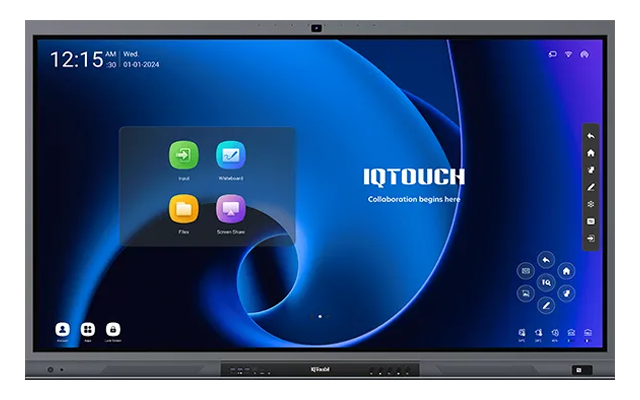
The term IQBoard is commonly associated with interactive whiteboards and digital classroom solutions that allow teachers to write, draw, display educational content, and interact with digital resources. Depending on the model and classroom setup, these systems may work with a computer, projector, interactive display, or compatible teaching software. This flexibility makes IQBoard technology useful for different educational environments, including primary schools, secondary schools, colleges, universities, and professional training centers.
Modern students often respond well to visual explanations, demonstrations, videos, and interactive activities. IQBoard helps educators combine these learning methods within a single classroom experience. Teachers can explain a topic using diagrams, highlight important information, display presentations, and invite students to solve problems directly on the interactive board. These features support a more dynamic learning environment and help make digital education accessible to different types of learners.
Essential Features of IQBoard Interactive Whiteboards
One of the main advantages of IQBoard is its interactive functionality. Rather than simply displaying information, compatible interactive boards allow users to control digital content through touch or supported input devices. Teachers can write notes, draw shapes, move objects, highlight text, and interact with educational applications while presenting a lesson. These capabilities can make classroom demonstrations easier to follow and encourage students to become active participants.
IQBoard software and compatible classroom tools can also support digital annotation. Teachers may write directly over presentations, images, documents, or other displayed materials. This feature is particularly helpful when explaining mathematics, science, computer studies, and other subjects that require step-by-step demonstrations. For example, a mathematics teacher can solve an equation on the board, underline important steps, and correct mistakes while students observe the process.
Multimedia support is another valuable feature of interactive classroom technology. Depending on the connected equipment and software, educators may present videos, diagrams, slides, images, and online learning resources during a lesson. These materials can help explain complex ideas through visual examples. In science classes, teachers can display diagrams of the human body or demonstrate scientific processes using educational animations. In language classes, multimedia content can support vocabulary development, pronunciation practice, and reading comprehension.
Some IQBoard classroom setups also support saving lesson notes and sharing teaching materials digitally. When this functionality is available, teachers can preserve important explanations for later review instead of erasing everything at the end of a class. Saved notes may help students revise difficult topics, prepare for examinations, or catch up on lessons they missed. The exact features depend on the specific IQBoard model, software version, and connected devices.
Compatibility is another important consideration. Schools should check whether an IQBoard system works with their existing computers, operating systems, classroom applications, and display equipment. Understanding these requirements before installation helps institutions select a solution that fits their teaching needs and existing technology infrastructure.
Educational Benefits of IQBoard for Teachers and Students
IQBoard can improve classroom engagement by giving students more opportunities to interact with lesson content. In a traditional classroom, students may spend much of a lesson listening and taking notes. With an interactive whiteboard, teachers can introduce activities that involve solving problems, labeling diagrams, arranging information, and answering questions directly on the display. These activities can encourage participation and help teachers identify areas where students need additional support.
Visual learning is another significant benefit. Some concepts are difficult to understand through spoken explanations alone, particularly when they involve processes, structures, or relationships. Interactive displays allow teachers to combine written explanations with images, diagrams, animations, and demonstrations. This approach can make lessons clearer and provide students with different ways to understand the same subject. For instance, a computer science teacher can use diagrams to explain a network structure, while a geography teacher can display maps and identify important locations.
IQBoard technology can also support collaboration. Teachers can divide students into groups and ask them to complete activities using the interactive display. Students may compare answers, explain their reasoning, and learn from one another. Collaborative classroom exercises can develop communication, critical thinking, and problem-solving skills. However, successful collaboration depends on lesson design and classroom management rather than the technology alone.
For teachers, an interactive whiteboard can make lesson delivery more flexible. Digital resources can be incorporated into presentations, and explanations can be adjusted according to student responses. Teachers can revisit earlier material, add annotations, and use different examples without preparing an entirely new set of physical resources. When lessons are planned effectively, these capabilities may save preparation time and improve the organization of classroom activities.
IQBoard may also contribute to blended learning environments in which traditional classroom instruction is combined with digital resources. Teachers can use interactive displays during in-person lessons while assigning online exercises or digital revision materials for independent study. This combination allows students to encounter the same topic through classroom explanations and additional learning activities.
Despite these benefits, technology should complement good teaching practices rather than replace them. Teachers still need clear learning objectives, suitable educational materials, and opportunities to assess student understanding. Schools should also consider teacher training, accessibility, equipment maintenance, and the needs of students who may have limited experience with digital learning tools.
Choosing and Maintaining the Right IQBoard Solution
Selecting an IQBoard system begins with understanding the requirements of the classroom. A small classroom may need a different display size and configuration from a university lecture hall or a large training center. Schools should consider the number of students, room dimensions, lighting conditions, teaching subjects, available equipment, and expected frequency of use before making a purchase.
Budget is another important factor. The total cost may include the interactive board or display, computer hardware, compatible software, installation, accessories, staff training, and ongoing maintenance. Comparing these expenses helps educational institutions evaluate the long-term value of an interactive classroom solution. Buyers should also confirm the product specifications, warranty conditions, technical support options, and availability of replacement components before choosing a particular model.
Ease of use should receive similar attention. A system with useful features may provide limited benefits if teachers find it difficult to operate. Educational institutions can improve adoption by arranging practical training sessions and giving teachers time to become familiar with the interface, digital annotation tools, and classroom applications. Starting with simple activities and gradually introducing more advanced features can help educators build confidence.
Regular maintenance helps protect classroom equipment and support reliable performance. Teachers and technical staff should follow the manufacturer's cleaning instructions, keep compatible software updated, check cables and connections, and report technical problems when they occur. Interactive displays should be handled carefully, while projector-based systems may require additional attention to projector settings and other components.
Schools should also evaluate accessibility and student privacy when introducing digital classroom technology. Text should be readable from different seating positions, and lesson materials should be suitable for students with different learning needs. If classroom software collects personal information or stores student work, institutions should review its privacy and security practices before using it.
Conclusion: IQBoard and the Future of Digital Education
IQBoard offers educational institutions a practical way to introduce interactive technology into everyday teaching. Through touch-based interaction, digital annotation, multimedia presentations, and collaborative activities, compatible IQBoard systems can help teachers create more engaging lessons and provide students with additional ways to explore educational topics. These features can be valuable in schools, colleges, universities, and professional training environments.
The effectiveness of IQBoard depends on selecting the right equipment, providing appropriate teacher training, and integrating interactive tools into well-planned lessons. Educational institutions should evaluate their classroom requirements, technical compatibility, budget, accessibility needs, and maintenance responsibilities before investing in a system.
More Info: https://iqboard.net/solutions/classroom-av-equipment-k-12-solutions-iqboard/