How Can IQBoard K-12 Solutions Transform Classroom Learning and Improve Student Engagement?
Posted in CategoryIntroduction to Darasa Forum-
HHaris 4 days ago
IQBoard K-12 solutions are designed to support modern education by helping schools create interactive, engaging, and technology-enabled learning environments. K-12 education covers kindergarten through grade 12, making it an important stage in which students develop foundational knowledge, critical thinking abilities, communication skills, and independent learning habits. With the growing use of educational technology, schools are exploring interactive classroom tools that make lessons easier to understand and encourage students to participate actively.
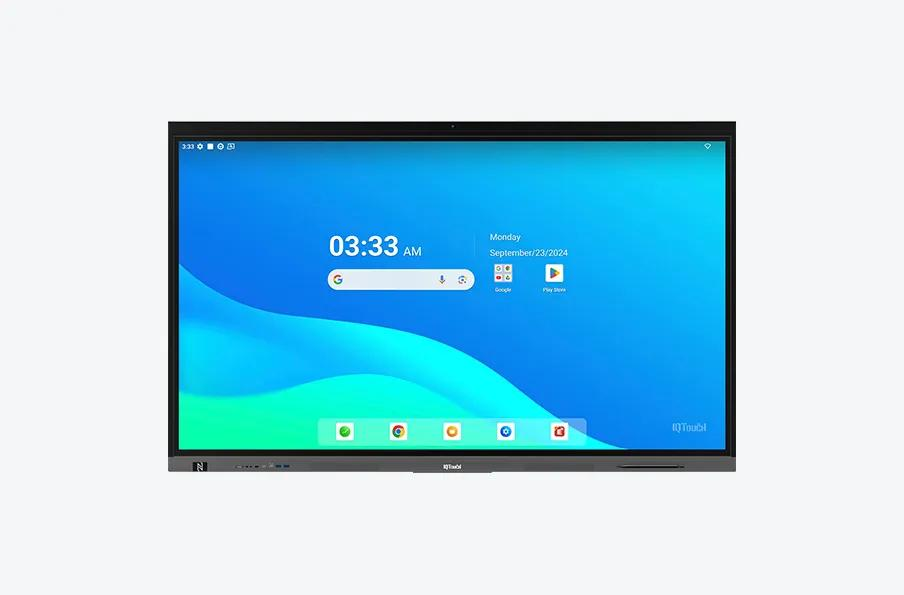
Interactive whiteboards and digital teaching systems have become valuable resources for educators who want to combine traditional teaching methods with modern technology. IQBoard K-12 solutions can support interactive presentations, visual explanations, collaborative activities, and digital classroom instruction. Depending on the products and software selected, these tools can help teachers present educational content in different formats and create more flexible learning experiences for students.
Traditional classrooms often rely on textbooks, printed worksheets, and conventional whiteboards. Although these resources remain useful, digital teaching technology offers additional opportunities to demonstrate difficult concepts through images, videos, diagrams, and interactive exercises. For example, a teacher explaining the solar system can use visual content to demonstrate planetary movement, while a mathematics teacher can illustrate equations directly on an interactive display.
The goal of modern K-12 classroom technology is not simply to introduce digital equipment into schools. It is to make teaching more effective, improve student participation, and provide educators with practical resources for delivering lessons. By integrating appropriate IQBoard K-12 solutions into their classrooms, educational institutions can support engaging teaching practices and create learning environments that respond to the needs of today's students.
Interactive Learning Features of IQBoard K-12 Solutions
Interactive classroom technology provides teachers with additional ways to present information and involve students in educational activities. IQBoard K-12 solutions can be used in technology-supported teaching environments where interactive displays or whiteboards serve as a central platform for presenting lessons. Depending on the specific equipment and software, educators may be able to write notes, annotate presentations, display diagrams, and interact with digital learning materials during classroom instruction.
Visual learning resources can make complex subjects more accessible to students. In science classes, teachers can present diagrams of the human body, demonstrate the water cycle, or display animations explaining physical processes. In mathematics lessons, digital whiteboards can help educators solve equations step by step and invite students to participate in problem-solving activities. Language teachers can use interactive exercises to explain grammar, introduce vocabulary, and improve reading comprehension.
Another important advantage of interactive whiteboard solutions is the opportunity for collaborative learning. Instead of relying entirely on teacher-led presentations, educators can invite students to solve problems, organize information, label diagrams, and share their answers on a classroom display. These activities encourage participation and help teachers identify areas where students may need additional explanations.
Digital lesson materials can also make classroom preparation more organized. Teachers may prepare presentations, diagrams, and other resources before lessons and reuse suitable materials in future classes. When supported by compatible software, saving and sharing digital notes can help students review important concepts after classroom instruction. This can be particularly useful when students need additional practice before examinations.
IQBoard K-12 solutions may also complement other educational technologies, including classroom computers, tablets, projectors, learning management systems, and online learning resources. The available features depend on the particular IQBoard product, its software, and the devices used by the school. Educational institutions should therefore confirm compatibility and technical requirements before selecting equipment for their classrooms.
Benefits of IQBoard K-12 Solutions for Teachers and Students
One of the main benefits of IQBoard K-12 solutions is their potential to improve student engagement. Interactive activities can make lessons more interesting by allowing students to participate rather than simply observe. When learners can interact with educational content, answer questions, and contribute to classroom discussions, they gain more opportunities to connect new information with their existing knowledge.
These solutions can also support different learning preferences. Some students understand concepts more easily through visual explanations, while others benefit from listening, reading, writing, or completing practical exercises. Interactive teaching resources allow educators to combine these approaches within a lesson. For example, a geography teacher can display a map, explain important locations, and ask students to identify geographical features directly on the screen.
Another advantage is improved lesson delivery. Teachers can use digital presentations, visual demonstrations, and interactive exercises to explain subjects in an organized way. Instead of switching repeatedly between separate teaching materials, educators can present different resources through a central classroom display. This can help maintain lesson flow and make explanations easier to follow.
IQBoard K-12 solutions can also encourage critical thinking and teamwork. Group activities involving puzzles, diagrams, mathematical problems, and classroom quizzes provide students with opportunities to discuss possible answers and explain their reasoning. Such activities can develop communication, collaboration, and problem-solving skills that remain valuable throughout students' academic journeys.
For teachers, interactive classroom technology may reduce dependence on printed teaching materials and make lesson resources easier to organize. Reusable digital content can help educators prepare consistent learning experiences across different classes. When combined with suitable classroom management practices, these resources can also help teachers monitor participation and identify concepts that require further explanation.
Accessibility is another important consideration in modern K-12 education. Teachers can combine interactive displays with suitable captions, readable text, audio resources, and accessible digital learning materials. These adjustments may help students with different learning requirements participate more effectively. Schools should verify that the selected hardware and software support the accessibility features their students need.
However, classroom technology works best when it supports effective teaching rather than replacing it. Teachers still play an essential role in explaining concepts, answering questions, encouraging curiosity, and providing personal guidance. Schools should balance interactive digital activities with reading, writing, hands-on exercises, classroom discussion, and other proven educational methods.
Choosing the Right IQBoard K-12 Solutions for Schools
Selecting suitable IQBoard K-12 solutions requires schools to evaluate their educational objectives, classroom requirements, available budgets, and existing technology. Different age groups have different learning needs, so the most appropriate classroom setup may vary between kindergarten, primary school, middle school, and high school environments.
For younger students, interactive activities involving pictures, shapes, letters, numbers, and simple educational games may be particularly useful. Older students may benefit from subject-specific presentations, detailed diagrams, collaborative problem-solving activities, and digital demonstrations. Schools should select tools that match the curriculum and support teachers in achieving clearly defined learning objectives.
Screen size and classroom layout are important factors when choosing an interactive whiteboard or display. The equipment should be large enough for students to see content clearly from different seating positions. Educators should also consider room lighting, viewing angles, available wall space, connectivity, and the number of students using the classroom.
Compatibility should be checked before purchasing new equipment. Schools need to confirm whether the selected IQBoard hardware works with their computers, operating systems, educational software, and existing classroom devices. They should also review installation requirements, software licensing, warranty coverage, maintenance arrangements, and technical support availability.
Teacher training is essential for successful implementation. Even a capable interactive teaching system may deliver limited benefits if educators do not understand its features. Practical training can help teachers prepare lessons, use interactive functions, organize digital resources, and resolve common technical problems. Ongoing support can further improve confidence and encourage consistent classroom use.
Budget planning should include the complete cost of ownership rather than just the initial equipment price. Installation, software updates, repairs, accessories, and future replacement costs may influence the long-term value of an investment. Schools should compare available options carefully and confirm the specific features included with each product.
Finally, educational institutions should evaluate classroom outcomes after implementation. Teacher feedback, student participation, ease of use, and the effectiveness of lesson delivery can help determine whether the chosen technology is meeting expectations. Regular assessment allows schools to improve their classroom strategies and make informed decisions about future educational investments.
Conclusion: Improving Education With IQBoard K-12 Solutions
IQBoard K-12 solutions can contribute to modern education by supporting interactive lessons, visual demonstrations, collaborative activities, and technology-enabled teaching. When integrated thoughtfully, interactive whiteboards and compatible classroom tools can help teachers explain complex concepts, encourage student participation, and create more engaging learning experiences.
The effectiveness of these solutions depends on selecting suitable equipment, ensuring compatibility, providing teacher training, and aligning technology with educational goals. Schools must also consider accessibility, maintenance, budget requirements, and the needs of students across different grade levels.