How Can a Micro Switch Supplier Comparison Help Businesses Choose the Right Manufacturing Partner?
Posted in CategoryIntroduction to Darasa Forum-
HHaris 3 days ago
Choosing the right supplier is an important decision for businesses that rely on reliable electrical components and consistent product quality. A micro switch supplier comparison helps manufacturers, engineers, and purchasing professionals evaluate different suppliers based on product specifications, pricing, quality standards, delivery performance, and technical support. Micro switches are widely used in industrial machinery, automotive systems, household appliances, medical equipment, and electronic devices. Selecting a dependable supplier can help businesses maintain production efficiency, reduce equipment failures, and control purchasing costs.
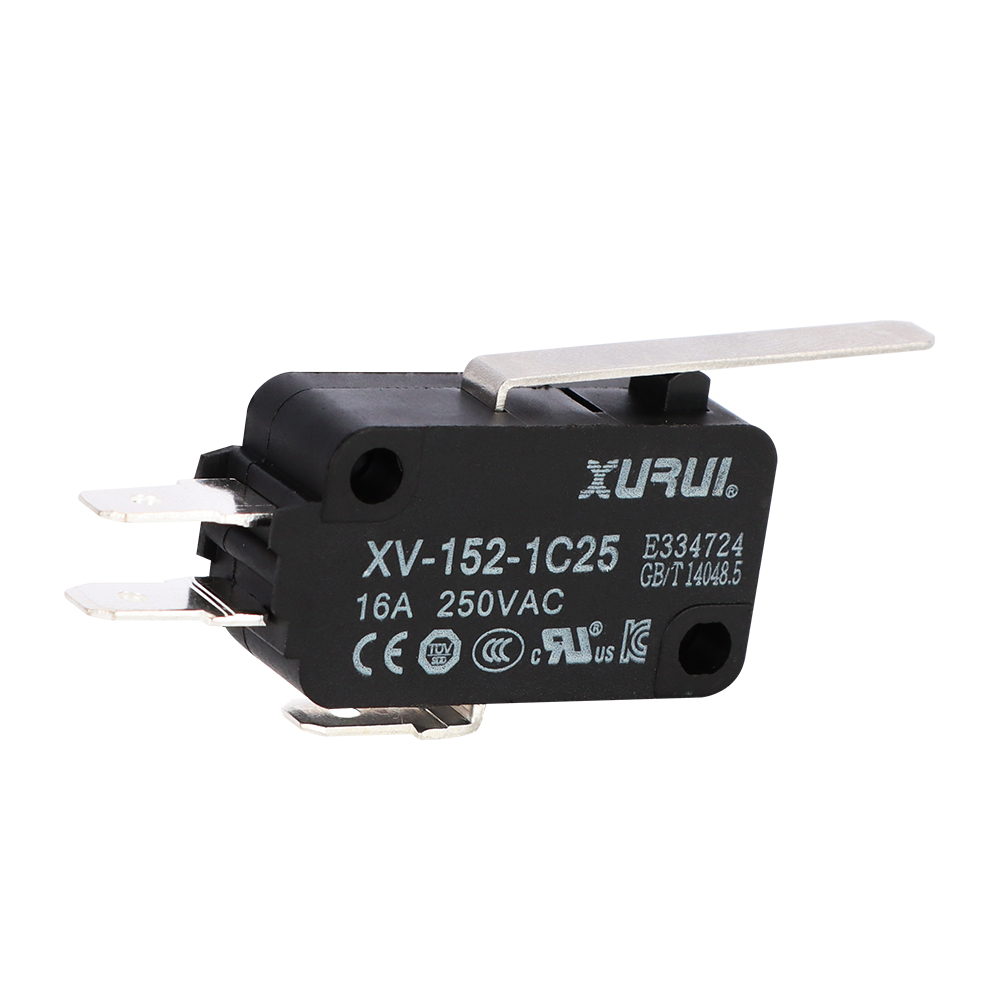
As demand for compact and durable switching components continues to grow, businesses have more suppliers and product options to consider. However, not every supplier offers the same manufacturing capabilities, quality control procedures, or customer service. Some suppliers specialize in standard micro switches, while others provide customized designs for specific applications. Comparing these differences allows buyers to identify suppliers that match their technical requirements and long-term business goals. A structured evaluation process also helps reduce purchasing risks and supports stronger relationships with reliable component providers.
Understanding Micro Switch Supplier Comparison
A micro switch supplier comparison involves evaluating multiple suppliers to determine which one offers the most suitable products and services for a particular application. The process considers more than the quoted purchase price. Businesses must also assess electrical performance, mechanical durability, product availability, certifications, customization options, and after-sales support.
Micro switches are electromechanical devices that change the state of electrical contacts when an actuator moves through a defined operating point. Their compact construction and precise switching behavior make them useful in equipment that requires reliable position detection or circuit control. Since different applications have different requirements, selecting the right micro switch supplier begins with understanding the intended use of the component.
For example, a company manufacturing household appliances may require miniature switches with specific operating forces and contact configurations. An industrial equipment manufacturer may need switches with greater mechanical endurance or protection against dust and moisture. Automotive applications may require components that meet particular environmental, electrical, and durability specifications. Comparing suppliers according to these requirements helps buyers avoid selecting products that are unsuitable for their equipment.
Product range is another important consideration during supplier evaluation. Some micro switch suppliers offer standard miniature switches, snap action switches, waterproof micro switches, limit switches, and various actuator designs. A broader product range can make procurement easier for businesses that need several types of switching components. Suppliers with engineering expertise may also assist with product selection and customized solutions.
Technical documentation is equally valuable. Reliable suppliers should provide information about electrical ratings, operating force, contact arrangements, mounting dimensions, operating temperature, and environmental protection. Clear documentation allows engineers to compare products accurately and determine whether a particular switch meets the requirements of the intended circuit or mechanical system.
Key Factors in Micro Switch Supplier Comparison
Product quality is one of the most important factors when comparing micro switch suppliers. Consistent manufacturing quality helps ensure that switches operate correctly and maintain their expected performance. Buyers should evaluate available inspection procedures, electrical testing, mechanical endurance testing, and quality management practices. Product samples can also help verify dimensions, actuator movement, terminal arrangements, and overall construction before a large order is placed.
Electrical specifications deserve careful attention because different switches support different operating conditions. Buyers should compare voltage and current ratings, contact configurations, switching characteristics, and compatibility with the intended electrical load. A switch designed for one application may not be appropriate for another, particularly when inductive loads or frequent switching are involved. Reviewing the manufacturer's technical data can help prevent incorrect product selection.
Mechanical durability is another important comparison criterion. Micro switches may operate thousands or millions of times depending on their design and application, but actual service life depends on operating conditions. Buyers should review the manufacturer's stated mechanical and electrical endurance ratings and understand the test conditions behind those figures. A supplier that provides clear and consistent performance information makes it easier to assess long-term value.
Pricing is also important, especially for businesses purchasing components in large quantities. However, the lowest unit price does not necessarily represent the lowest overall cost. Buyers should consider shipping charges, packaging, minimum order quantities, tooling costs for customized products, warranty conditions, and possible expenses associated with defective components. A supplier offering competitive prices and consistent quality may provide better overall value than one offering cheaper products with unpredictable performance.
Delivery reliability can significantly influence production planning. Late shipments may interrupt manufacturing schedules, delay customer orders, and increase operating costs. When conducting a micro switch supplier comparison, businesses should review typical lead times, production capacity, inventory availability, and the supplier's ability to handle changes in order quantities. Clear communication about production schedules is particularly important when switches are essential to the final product.
Certifications and compliance requirements should also be checked. Depending on the industry and target market, businesses may need products that meet applicable safety, environmental, or industry standards. Buyers should request relevant documentation and verify that certifications apply to the specific product being purchased. This is particularly important when components are intended for regulated equipment or safety-related systems.
Customer support can distinguish a dependable supplier from a less suitable alternative. Suppliers that respond promptly to technical questions, explain product specifications, assist with sample testing, and address quality concerns can make the purchasing process more efficient. Long-term technical cooperation may also help businesses identify suitable replacement components and improve product designs.
Comparing Micro Switch Suppliers for Long-Term Value
A successful micro switch supplier comparison should focus on the total value each supplier provides rather than evaluating individual factors in isolation. A supplier with excellent product quality but unreliable delivery may not be suitable for a business operating on strict production schedules. Similarly, a supplier offering attractive prices may not provide sufficient technical documentation or customization support for specialized equipment.
Businesses can begin by defining their technical and commercial requirements. These may include switch dimensions, electrical ratings, operating force, expected service life, environmental conditions, order quantities, delivery schedules, and budget limitations. Establishing these requirements before contacting suppliers creates a consistent basis for comparison and reduces the risk of overlooking important specifications.
Requesting quotations from multiple suppliers can help buyers understand differences in pricing and commercial terms. However, quotations should be reviewed alongside product datasheets and other technical information. Two switches with similar appearances may have different contact materials, endurance ratings, sealing performance, or electrical capabilities. Confirming these details is essential before making a purchasing decision.
Supplier experience and manufacturing capability can provide additional insight into reliability. Businesses may review company history, relevant industry experience, quality procedures, production capacity, and references where available. Buyers requiring customized micro switches should also assess whether the supplier can support engineering discussions, prototype development, design changes, and production scaling.
Supply chain stability is another consideration for long-term purchasing. A supplier should be able to communicate potential shortages, provide realistic delivery estimates, and maintain consistent product specifications across orders. Depending on the importance of the component, businesses may benefit from qualifying an alternative supplier to reduce dependence on a single source.
After selecting a supplier, businesses should continue monitoring performance. Delivery accuracy, product quality, response times, pricing consistency, and complaint resolution can help determine whether the relationship continues to meet expectations. Regular performance reviews allow purchasing teams to identify problems early and work with suppliers on practical improvements.
It is also useful to consider the supplier's ability to support future business growth. As production volumes increase or product designs change, purchasing requirements may become more complex. A supplier with flexible production capabilities, a suitable product portfolio, and responsive technical support can help businesses adapt without repeatedly restarting the sourcing process.
Conclusion: Choosing the Best Micro Switch Supplier
A micro switch supplier comparison helps businesses make informed purchasing decisions by evaluating product quality, electrical specifications, mechanical durability, pricing, delivery performance, certifications, and customer support. Considering these factors together provides a clearer understanding of which supplier can meet current requirements while supporting long-term operational success.
The most suitable supplier is not always the one offering the lowest price. Businesses should prioritize reliable products, accurate technical documentation, consistent delivery, and effective communication. Evaluating total purchasing costs and potential operational risks can also help prevent expensive problems in the future.